GOGO Rummy Education
The modern online rummy ecosystem in India has developed far beyond a simple card game. It has become a structured digital environment where skill, timing, and decision-making all work together to shape the player’s experience.
On platforms like GOGO Rummy, players enter a fully automated system where cards are distributed fairly, results are calculated instantly, and gameplay happens in real time without delays or manual intervention.
Unlike traditional physical card rooms, the digital version is built around precision systems. Every move is tracked, every round is validated by algorithms, and every outcome is generated under controlled fairness logic. This creates a consistent environment where players can focus entirely on strategy rather than mechanics.
How Players Begin Their Journey
A new user typically starts with account creation, followed by secure authentication. This process ensures that each participant has a verified identity within the system. After entry, players gain access to the main dashboard where multiple game modes are available.
From here, the experience expands into different layers of interaction: practice tables for beginners, competitive rooms for skilled players, and structured Slot-based events designed for fast-paced engagement. Each mode serves a different type of user behavior, allowing gradual progression from learning to competitive play.
The onboarding journey is intentionally simple, but behind the interface, there is a complex structure that manages game flow, wallet handling, and reward tracking.
Game Structure and Core Mechanics
Rummy in its digital format is built around combinations. Players must form valid sequences and sets using a limited number of cards. However, unlike casual offline play, the digital environment introduces timing pressure, opponent unpredictability, and automated validation systems.
The gameplay revolves around three key actions:
drawing a card, discarding a card, and building combinations. While these actions appear simple, the strategic depth increases with every turn as players analyze patterns and predict opponent behavior.
Each decision influences the final outcome, especially in competitive tables where multiple skilled players are actively adjusting their strategies in real time.
Player Flow Overview
| Step | User Action | System Response |
|---|---|---|
| 1 | Sign Up | Account is created and verified |
| 2 | Login | Secure access to dashboard |
| 3 | Bonus Activation | Initial reward credits are added |
| 4 | Game Selection | User enters table or Slots mode |
| 5 | Gameplay | Cards are dealt and rounds begin |
| 6 | Result & Rewards | Winnings are calculated automatically |
APK Experience and Mobile Optimization
A significant portion of users access the platform through mobile devices. This is why APK-based installation plays an important role in the ecosystem.
The APK version is optimized for speed and stability, ensuring that gameplay runs smoothly even on lower-end devices. It reduces loading times, improves animation responsiveness, and provides direct access without relying on external app stores.
Players often receive installation Links through promotional campaigns, allowing quick onboarding without unnecessary friction.
Strategic Foundation for New Players
At the beginning stage, success is not about aggressive play but about understanding structure. New users are encouraged to observe how sequences are formed, how opponents behave under pressure, and how card decisions evolve over time.
Even small decisions—like when to discard a card or when to hold a potential sequence—can significantly influence long-term performance.
Over time, players naturally transition from reactive gameplay to predictive strategy, which is the core skill required in competitive environments.
Understanding the Reward Ecosystem
The reward system inside modern rummy platforms is not random — it is carefully structured to maintain long-term engagement and balanced player progression.
On platforms like GOGO Rummy, rewards are distributed through multiple controlled layers that combine behavioral triggers (like Login frequency or game participation) with performance-based incentives.
The system is designed so that every action a player takes inside the ecosystem can potentially contribute to progression. This includes starting a game, completing rounds, or participating in seasonal events.
Instead of being a simple bonus drop system, it works more like a reward economy, where value flows between activity, consistency, and engagement.
Types of Rewards in the System
Players interact with several reward categories that serve different purposes.
Welcome rewards are designed to onboard new users and give them initial momentum. Regular activity rewards encourage daily engagement, while performance rewards are tied directly to gameplay outcomes. There are also promotional incentives tied to special events and campaigns.
This layered system ensures that both casual and competitive players find value in continued participation.
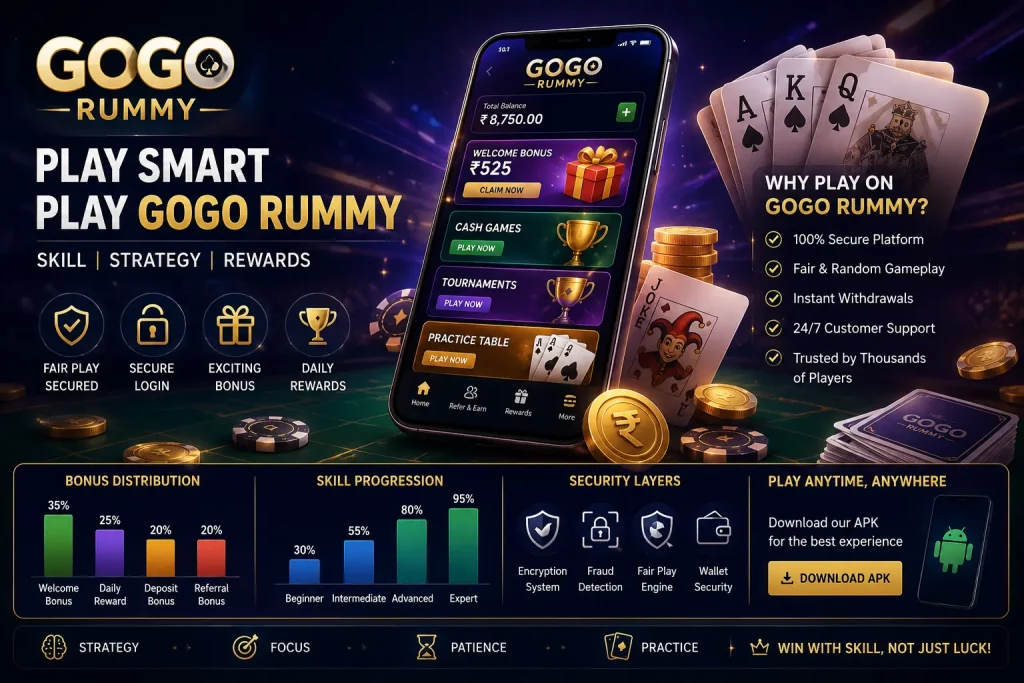
Bonus Distribution
How Reward Flow Works
The reward flow inside the system is based on a simple principle: activity generates value, and value returns as incentives.
When a user interacts with the platform — whether by entering a game, completing a round, or returning daily — the system tracks these actions and assigns reward points or bonus credits accordingly.
These credits can then be used in different game modes or promotional events, depending on the platform’s structure.
The key idea is continuity: the more consistently a player engages, the more stable their reward accumulation becomes.
Reward Mechanics Breakdown
| Reward Type | Trigger Condition | Player Benefit |
|---|---|---|
| Welcome Bonus | Sign Up completion | Initial gameplay boost |
| Daily Reward | Login streak | Consistent credit flow |
| Performance Bonus | Winning rounds | Higher earning potential |
| Referral Bonus | Inviting new users | Extra passive rewards |
APK-Based Engagement Advantage
Users who access the platform through APK installations often experience faster bonus activation and smoother reward synchronization. This is because APK-based systems reduce dependency on third-party app store delays.
Additionally, mobile-first users benefit from faster notifications about new rewards, promotions, and tournament updates.
This makes APK users slightly more responsive to time-limited events and seasonal campaigns.
Behavioral Economy Insight
The reward system is not only about incentives — it is also about shaping behavior.
By distributing bonuses across multiple engagement points, the system encourages:
- Regular return visits
- Longer gameplay sessions
- Higher participation in competitive tables
- Increased engagement with promotional events
Over time, this creates a stable ecosystem where player activity and reward distribution remain balanced.
Building a Skill-Based Mindset in Rummy
In modern online card ecosystems, success is no longer determined by chance alone. Platforms like GOGO Rummy are designed around skill progression, where every match becomes a learning environment rather than just a game session.
Players gradually move from reactive behavior to structured decision-making. At the beginning, most decisions are intuitive, but with experience, users start analyzing probability, opponent behavior, and timing patterns.
This transition from casual play to strategic thinking is what separates beginners from consistent performers.
Core Strategic Layers
Competitive rummy gameplay can be broken into several mental layers.
At the foundation is card observation, where players track what is drawn and discarded. Above that is pattern recognition, which helps identify possible opponent strategies. The next level is risk evaluation, where each move is measured against potential loss or gain. Finally, advanced players operate on predictive modeling, anticipating future game states based on incomplete information.
This layered structure makes the game both analytical and psychological.
Competitive Match Environment
As players enter higher-level tables, the game becomes significantly more dynamic. Opponents are no longer random; instead, they follow recognizable strategic patterns influenced by experience and psychological behavior.
Time pressure also plays a crucial role. Each decision must be made quickly, which increases cognitive load and forces players to rely on trained instincts rather than slow analysis.
In this environment, even small mistakes can decide entire rounds.
Strategic Behavior Breakdown
| Strategy Element | Description | Impact on Gameplay |
|---|---|---|
| Card Tracking | Monitoring discarded cards | Improves prediction accuracy |
| Sequence Planning | Building safe combinations early | Reduces risk exposure |
| Risk Timing | Choosing when to play aggressively | Maximizes winning potential |
| Opponent Reading | Analyzing behavior patterns | Enhances decision accuracy |
Psychological Layer of Competitive Play
Beyond technical skill, psychology plays a major role. Players must remain calm under pressure, avoid impulsive decisions, and maintain consistency across multiple rounds.
Experienced players often create mental models of their opponents, tracking tendencies such as aggressive discards or conservative holding patterns.
This psychological dimension adds depth to the game, making it more than just a logic-based system.
Decision Efficiency Curve
Building a Secure Gaming Environment
Modern online rummy platforms are not only about gameplay — they are built as full digital ecosystems where security, fairness, and stability are the core priorities.
On platforms like GOGO Rummy, the system architecture is designed to ensure that every interaction is protected and every game round is verified through controlled logic systems.
This includes encrypted authentication, secure session handling, and automated fraud detection layers that continuously monitor unusual activity patterns.
The goal is to create a stable environment where users can focus on gameplay without worrying about system integrity.
Security & Platform System Layers
| System Layer | Function | Impact on Platform |
|---|---|---|
| Encryption System | Protects user Login & data transfer | Prevents unauthorized access |
| Fraud Detection | Monitors unusual activity patterns | Ensures fair gameplay environment |
| Fair Play Engine | Controls card distribution logic | Guarantees randomness integrity |
| Wallet Security | Secures Bonus & transactions | Protects user funds |
| Session Control | Manages active Login sessions | Prevents account misuse |
Ecosystem Components
A modern rummy platform is made of multiple interconnected systems:
- Wallet system for secure transactions
- Game engine for real-time card distribution
- Bonus engine for reward automation
- Tournament system for competitive play
- Analytics layer for behavior tracking
Each layer works independently but also contributes to the overall ecosystem stability.
Growth & User Engagement Model
Platform growth depends on how effectively it retains and re-engages users.
Key growth drivers include:
- Mobile-first APK optimization
- Reward-driven retention loops
- Seasonal campaigns
- Referral expansion systems
- Competitive tournament ecosystems
The combination of these elements creates a self-sustaining engagement cycle where active users naturally generate more activity.
Long-Term Ecosystem Stability
Sustainability in digital gaming systems is achieved through balance.
Too many rewards can destabilize the economy, while too few can reduce engagement. Therefore, systems are carefully tuned to maintain equilibrium between user satisfaction and platform stability.
Behavioral analytics also play a major role in adjusting reward cycles and gameplay pacing.
The evolution of platforms like GOGO Rummy demonstrates how traditional card games have transformed into fully structured digital ecosystems. By combining secure systems, reward engines, competitive gameplay, and mobile-first architecture, the platform creates a balanced environment for both casual and advanced players.
FAQ — GOGO Rummy Platform
What is GOGO Rummy?
It is a structured online rummy platform where users play skill-based card games in real time with automated systems for fairness, rewards, and progression.
How does the Bonus system work?
Bonuses are distributed based on user activity such as registration, Login frequency, gameplay participation, and promotional events.
Is APK installation required?
APK is optional but recommended for faster performance, smoother updates, and improved mobile optimization.
What makes the system fair?
The platform uses automated card distribution, encrypted systems, and fraud detection algorithms to ensure fair gameplay.