
Accessing your account on GOGO Rummy is designed to be quick, secure, and user-friendly. The login process is optimized for both new and returning players, ensuring that users can enter the platform without unnecessary delays.
To further improve usability, the system also includes a password recovery option and secure verification steps that help users regain access to their accounts when needed. This ensures that account access remains reliable even in cases where login credentials are forgotten or need to be reset.
Whether you are accessing through a browser or the App, the login system adapts to different devices and provides a smooth experience across all environments.
In addition, session management technology helps maintain user security by automatically detecting inactive sessions and logging out accounts after a period of inactivity. This reduces potential risks and ensures that user data remains protected at all times.
How the Login System Works
The login process on GOGO Rummy follows a simple structure that allows users to access their accounts within seconds.
Typical steps include:
- entering registered credentials
- confirming identity
- accessing dashboard
This streamlined process ensures that users can quickly return to their Games without complications.
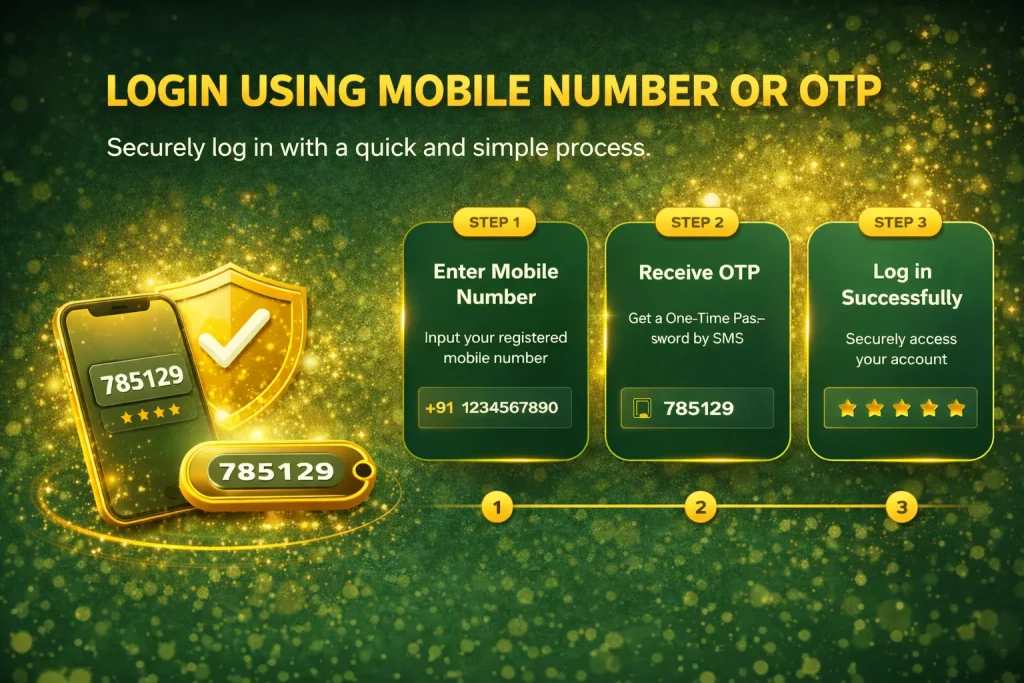
Login Options Available
GOGO Rummy provides multiple ways to log in, allowing flexibility depending on user preferences.
Common options include:
- mobile number login
- email login
- OTP-based access
Each option is designed to be fast and secure.
Login Methods Table
Device Compatibility
The login system is optimized for all major devices.
Users can access their account via:
- desktop browsers
- mobile browsers
- dedicated app
This ensures flexibility.
Device Usage Graph
Security Measures
GOGO Rummy ensures secure login through:
- encrypted data transmission
- OTP verification
- session monitoring
These features protect user accounts.
Login Speed and Performance
The platform is optimized for fast login.
Key advantages:
- minimal loading time
- quick authentication
- instant dashboard access
This improves user experience.
Common Login Issues
Sometimes users may face minor issues.
Typical problems include:
- incorrect password
- network delay
- expired OTP
These can be resolved quickly.
Account Recovery
If login details are forgotten, users can recover access easily.
Steps include:
- requesting OTP
- verifying identity
- resetting credentials
This ensures continuity.
User Experience
The login interface is designed to be:
- clean
- intuitive
- responsive
This makes navigation simple.
Real User Behavior
In practice, users:
- prefer quick login methods
- avoid complex steps
- expect instant access
This influences design.
Additional Features
Once logged in, users can access:
- Games
- Bonus
- Slots
This makes login the entry point to the full platform.
The login process on GOGO Rummy is not only about entering credentials. It represents the starting point of the entire user journey, where speed, clarity, and responsiveness define how players interact with the platform.
Once users understand how the login flow works, the experience becomes smoother and more predictable.
Step-by-Step Login Flow
The login system is structured in a way that minimizes friction.
Typical flow:
- open login page
- enter credentials or OTP
- verify identity
- access account
Each step is optimized for speed and simplicity.
Login Flow Table
Access the login page from the main interface
Provide mobile number, email, or OTP
Confirm identity through secure validation
Enter dashboard and continue gameplay
User Behavior During Login
Players interact with login systems in predictable ways.
Most users:
- prefer the fastest method
- avoid long forms
- choose OTP login when available
This behavior shapes platform design.
Time Efficiency
Login time is a critical factor.
Users expect:
- access within seconds
- minimal delays
- no repeated steps
Even small delays can impact engagement.
Login Success Rate Graph
Common Login Patterns
Different users follow different login patterns.
Some:
- log in quickly using saved credentials
- use OTP for security
- switch between devices
This creates varied usage.
Mobile vs Desktop Behavior
Login behavior changes depending on the device.
Mobile users:
- prefer OTP login
- expect faster access
- use touch-based navigation
Desktop users:
- use email/password
- take more time
- rely on browser memory
Error Handling
A good login system must handle errors clearly.
Common errors include:
- incorrect password
- invalid OTP
- network issues
The system responds with clear instructions.
Security vs Convenience
There is always a balance between:
- strong security
- easy access
GOGO Rummy achieves this through:
- OTP verification
- encrypted sessions
- minimal friction
This balance improves trust.
Session Continuity
After login, users expect continuity.
The system ensures:
- session stability
- fast navigation
- no repeated logins
This enhances experience.
Returning User Experience
Returning players expect instant access.
They typically:
- log in quickly
- continue previous activity
- access features immediately
This creates consistency.
Practical Insight
From a practical point of view, login is not just a technical step — it is a user experience moment that determines whether players stay engaged or leave. Fast, reliable access increases retention and improves overall satisfaction.
Login Sessions and Continuous Access Flow
On GOGO Rummy, the login process does not end after entering credentials. It becomes part of a continuous session where users move between access, gameplay, and interaction without interruption.
The platform is designed to ensure that once a user logs in, the experience flows naturally without repeated barriers.
Full Login Session Lifecycle
A login session includes more than just entering the platform. It follows a lifecycle that reflects how users interact over time.
Typical stages include:
- initial access
- active session
- background activity
- session continuation
- logout or timeout
This lifecycle defines how the platform behaves.
Login Session Timeline Table
User enters credentials and gains access
User interacts with platform features
Session remains active without interaction
User returns without re-login
Session ends automatically or manually
Continuous Access Experience
Once logged in, users expect uninterrupted access.
The system ensures:
- stable session duration
- fast navigation between pages
- no repeated login prompts
This creates a smooth experience.
Session Stability
Session stability is essential for user retention.
GOGO Rummy maintains stability through:
- optimized backend performance
- session persistence
- secure token handling
This reduces disruptions.
User Behavior During Sessions
Users behave differently once logged in compared to the login phase.
They:
- move quickly between sections
- expect instant loading
- interact continuously
This changes how the system operates.
Returning to the Platform
Users often leave and return within short periods.
The platform supports this by:
- keeping sessions active
- allowing quick re-entry
- minimizing repeated verification
This improves usability.
Timeout and Security Balance
Sessions cannot remain active indefinitely.
The platform balances:
- security requirements
- user convenience
Timeouts occur when:
- inactivity exceeds limits
- security checks are required
This protects accounts.
Multi-Device Access
Some users switch between devices.
For example:
- login on mobile
- continue on desktop
- return later via app
The system adapts to this behavior.
Performance During Peak Usage
During high traffic, login sessions must remain stable.
The platform ensures:
- consistent performance
- minimal lag
- reliable access
This supports scalability.
Error Recovery
If a session is interrupted, recovery is quick.
Users can:
- re-enter credentials
- use OTP
- restore access instantly
This reduces frustration.
Long-Term User Patterns
Over time, users develop habits.
They tend to:
- log in at similar times
- use the same device
- follow consistent patterns
The system adapts to these behaviors.
In real usage, login is not just a single event — it is part of a continuous interaction cycle. Players expect the platform to remember them, respond instantly, and allow seamless transitions between actions.
Login on GOGO Rummy is less about gaining access and more about maintaining presence. Once inside, the experience is designed to feel uninterrupted, almost invisible — where the system fades into the background and interaction becomes effortless.
At that point, the login process is no longer something the user thinks about. It becomes a silent gateway that simply works, allowing the focus to remain on the experience itself rather than the steps required to reach it.
Seamless Long-Term Login Experience
GOGO Rummy Login is designed to support continuous and uninterrupted interaction with the platform beyond the initial authentication stage. Once access is granted, the system focuses on maintaining stable sessions, responsive navigation, and fast transitions between games, account features, and platform sections. By combining OTP-based security, session persistence, and multi-device adaptability, the platform creates an environment where users can return quickly, continue activity without repeated interruptions, and enjoy a more natural and efficient login experience over time.